Same day emergency cleaning for Chelsea water damage
Posted on 09/10/2026
Water damage has a way of turning an ordinary day into a bit of a scramble. One minute you're dealing with a small leak under the sink, and the next there's soaked flooring, a damp smell creeping in, and the uneasy question: what now? If you need same day emergency cleaning for Chelsea water damage, speed matters, but so does doing the right things in the right order.
This guide explains what emergency cleaning actually involves, why rapid response is so important in Chelsea homes and businesses, and how to handle the first few hours without making the damage worse. You'll also find practical tips, a realistic step-by-step process, a checklist, and clear guidance on when professional help is the sensible choice. To be fair, water damage is rarely just about the water. It's about what the moisture does next.
Whether the problem came from a burst pipe, overflowing appliance, roof leak, bathroom flood, or an unexpected incident in a flat or office, the aim is the same: reduce further damage, protect health and belongings, and get the property back to a clean, safe condition as quickly as possible.
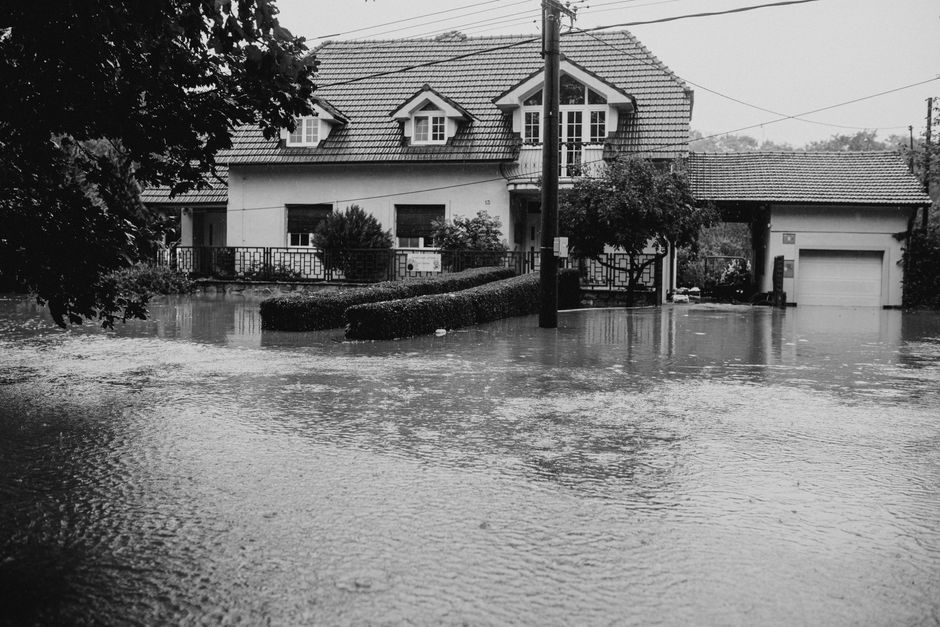
Why Same day emergency cleaning for Chelsea water damage Matters
When water enters a property, time starts working against you. In Chelsea, where buildings can include period homes, compact apartments, basement rooms, communal hallways, and high-value furnishings, even a small leak can spread through materials faster than people expect. A damp carpet may seem manageable at first; a few hours later, it can smell musty, wick moisture into underlay, and create a bigger drying job.
Same-day emergency cleaning matters because it helps reduce the chain reaction that follows water exposure. You are not just removing visible water. You are limiting staining, swelling, mould growth risk, electrical hazards, floor movement, and lingering odours. And if you have ever opened a room door to that cold, stale, wet-air smell, you'll know it's not something that politely goes away on its own.
For Chelsea properties, the urgency can be even more practical. Shared walls, nearby neighbours, older pipework, and mixed-use buildings can all complicate the situation. If moisture spreads into adjoining rooms or common areas, the problem can stop being a single-room issue very quickly. Same-day action helps keep the damage contained.
Expert summary: The faster a property is cleaned, dried, and checked after water exposure, the better the chance of limiting hidden damage, odour, and disruption. Speed is helpful, but targeted action is what really protects the property.
It also matters from a trust perspective. If you are a tenant, landlord, homeowner, or business manager, a prompt response shows you took reasonable steps straight away. That can help when documenting damage, discussing responsibilities, or planning repairs. Even if the clean-up is temporary at first, it creates breathing room. And sometimes that is exactly what you need.
How Same day emergency cleaning for Chelsea water damage Works
Same-day emergency cleaning is usually a rapid-response process designed to stabilise the property before the situation gets worse. It is not always a full restoration service, and that distinction matters. In many cases, the aim on day one is to make the area safe, remove contamination where present, clean affected surfaces, and prepare the space for drying or follow-up repairs.
Typically, the process starts with an assessment. A cleaner or technician looks at the source of the water, the affected materials, and the likely spread. Clean water from a supply pipe is very different from grey water from appliances or contaminated water from another source. That affects how the area should be handled, what can be salvaged, and what needs more caution.
From there, the response may include water removal, surface cleaning, debris collection, targeted sanitising, stain treatment, and odour control. In some cases, furniture may need to be moved, protective coverings removed, or soft furnishings lifted to reduce further absorption. A quick dry-down with proper airflow can make a surprising difference in the first few hours.
There is a practical rhythm to it:
- Identify the source and stop it if possible.
- Remove standing water and wet debris.
- Clean and disinfect affected hard surfaces where appropriate.
- Assess carpets, upholstery, and flooring for salvageability.
- Set up drying measures or recommend specialist drying if needed.
- Document the condition before and after work.
That sounds straightforward, but in real life the details matter. A kitchen floor with clean water needs a different approach from a hallway carpet affected by drainage backflow. A smart emergency clean is calm, methodical, and a little boring, which is exactly what you want in the middle of a mess.
Key Benefits and Practical Advantages
The biggest benefit of same-day cleaning is simple: less damage. But there are several practical advantages that people often overlook until they are in the middle of the issue.
- Reduced spread: Quick action helps prevent moisture moving into adjoining rooms, skirting boards, underlay, and subfloors.
- Better odour control: Damp smells settle in fast. Early cleaning gives you a better chance of avoiding that stubborn musty scent.
- Lower risk of secondary problems: Lingering moisture can encourage mould growth, staining, swelling, and material breakdown.
- Safer environment: Wet floors, hidden damp patches, and contaminated residue can create slip and hygiene risks.
- Less disruption: Emergency cleaning can make a room usable again sooner, which is especially helpful in homes with children, older residents, or a business needing to keep trading.
- Protection for contents: Furniture, rugs, upholstery, and personal items may be recoverable if handled early.
For landlords and letting agents, there is another advantage: same-day attention can reduce the chance of a relatively small incident escalating into a bigger insurance headache. For businesses, it may help avoid unnecessary downtime. No one wants staff stepping around damp patches at 9 a.m. on a Monday. Not exactly a great start.
There is also a psychological benefit. Once someone has been in to assess and clean the area, the situation feels more manageable. The uncertainty drops. That matters more than people admit.
Who This Is For and When It Makes Sense
Same-day emergency cleaning for Chelsea water damage makes sense for a wide range of situations. It is not only for dramatic floods or burst mains. Often the worst damage starts with something smaller and less dramatic.
You may need it if:
- a pipe has leaked behind a cupboard or wall
- a washing machine, dishwasher, or boiler has overflowed
- a bath, shower, or sink has spilled onto floors
- rainwater has entered through a roof, window, or exterior wall
- a basement or lower-ground room has taken on moisture
- a toilet or drainage issue has left a contaminated area
- an office, shop, or communal area has been affected during opening hours
It also makes sense if the property contains materials that hold water easily. Carpets, rugs, upholstered furniture, wooden flooring, plasterboard, and soft furnishings all behave differently once wet, and some need a very quick response to remain salvageable. Even a "small" leak can become awkward if it has travelled under furniture or into a wall edge where you cannot see it.
For Chelsea residents, the local context matters too. Flats, townhouses, converted buildings, and basement spaces often have a mix of old and newer materials. That can make water paths less obvious. Sometimes the visible puddle is not the full story; the real problem is a hidden pocket of moisture two rooms away.
If you are unsure, ask yourself two questions: is the area still wet, and is there any sign the water may have moved somewhere hidden? If the answer is yes to either, same-day cleaning is usually worth arranging.
Step-by-Step Guidance
If water damage has just happened, a calm sequence helps. You do not need to do everything yourself, but the first steps do matter.
1. Make the area safe first
If there is any chance of electrical danger, avoid stepping into standing water near sockets, appliances, or exposed wiring. Turn off power only if it is safe to do so. If not, leave it to a qualified person. Safety first. Always.
2. Stop the source if you can
Shut off the water supply if the leak is coming from inside the property and the stop valve is accessible. If the source is external, such as rain ingress or a communal issue, focus on limiting spread and documenting the affected area.
3. Move valuables and light furnishings
Lift anything dry and movable away from the wet zone. Books, papers, cushions, electrical items, and lightweight furniture should be relocated quickly. If something is too heavy to move safely, do not wrestle with it. Better to leave a piece of furniture in place than injure your back trying to be heroic.
4. Blot, mop, or extract standing water
If the water is clean and the area is small, use absorbent cloths or a mop to reduce surface moisture. For larger amounts, professional extraction is usually more effective. The goal is to prevent the water soaking deeper into the structure.
5. Ventilate sensibly
Open windows where appropriate and safe, and use fans if advised. Good airflow helps, but not every situation is helped by opening everything wide. In damp weather, or where security is a concern, controlled drying may be better than simply letting the room "air out" and hoping for the best.
6. Clean affected surfaces properly
Hard surfaces should be cleaned based on the type of water involved. Clean water may only need a careful surface clean, while contaminated water can require more stringent hygiene handling. Soft furnishings may need specialist treatment depending on the material and how long they stayed wet.
7. Check hidden areas
Look under furniture, along skirting boards, under rugs, inside cupboards, and around joins in flooring. Water likes to travel in ways that make no sense until you remember gravity is doing all the work.
8. Document the damage
Take clear photos of the source, affected rooms, and items damaged before too much is moved. Keep a simple note of what happened and when. This is useful for insurance, landlords, or building managers.
9. Arrange follow-up drying or repair
Even after emergency cleaning, the property may need monitoring or further drying. Hidden moisture can linger. If materials still feel cool, spongy, or smell damp after cleaning, that is a sign more attention is needed.
A practical rule: clean what you can see, check what you can't, and do not assume the job ends when the puddle disappears.
Expert Tips for Better Results
There are a few small decisions that make a big difference in emergency cleaning. These are the things that experienced cleaners and property managers tend to look for early.
Act before odour sets in. If a room has that faint wet-cardboard smell already, moisture has usually settled into materials. Faster intervention gives a better outcome.
Know the difference between clean and contaminated water. Clean water from a fresh source is not the same as grey or dirty water from an appliance or drainage issue. The latter requires extra caution and a stronger hygiene approach.
Lift rather than drag wet textiles. Soaked rugs or curtains can stretch, tear, or spread contamination if pulled across floors. Lift carefully and keep them away from clean areas.
Watch for swelling. Wooden floors, doors, and furniture edges may look normal at first. Later, they can buckle, cup, or swell. A good emergency clean includes a quick check for this.
Use the right drying method. A fan in the wrong position can push moisture into corners or miss the underfloor area entirely. Better to dry with intent than with optimism. That's the honest version.
Keep the air moving, but don't create chaos. A bit of airflow is useful. A whole room full of random open windows and heaters can make conditions inconsistent. Controlled drying usually works better.
Do a second look a few hours later. Water likes to surprise people. What feels under control in the morning can reveal a hidden patch by the afternoon when skirting boards darken or the smell changes.
And one more thing: if you are ever unsure whether the damage is minor or substantial, treat it as the larger issue until proven otherwise. It is a safer way to think, even if it feels slightly cautious in the moment.
Common Mistakes to Avoid
Most water-damage headaches become worse because of a few very normal mistakes. None of them are dramatic. That's the annoying part.
- Waiting too long: "Let's see if it dries out" is a risky plan once moisture has reached flooring or walls.
- Using the wrong cleaner: Harsh products can damage finishes, discolour fabrics, or leave residues on sensitive materials.
- Ignoring hidden moisture: A dry surface does not always mean the structure underneath is dry.
- Leaving furniture in place: Heavy items can trap moisture and leave deeper marks on carpets and floors.
- Overheating the room: Too much heat can sometimes cause warping, cracking, or uneven drying.
- Forgetting documentation: If you need to explain what happened later, memory alone is rarely enough.
- Trying to clean contaminated water as if it were clean: This is where people can run into hygiene problems and spread residue to other areas.
A common one in flats: the visible floor is cleaned, the area looks fine, and everyone moves on. Then a week later there is a faint smell from under a kickboard or along the edge of a wall. Not ideal. A proper emergency clean is about the visible and the invisible parts of the job.
Tools, Resources and Recommendations
You do not need a van full of specialist kit to start dealing with a water incident, but the right tools make a noticeable difference. For small clean-ups, a sensible basic set can help.
- absorbent cloths or towels
- mop and bucket
- wet vacuum for suitable surface water
- fans for directed airflow
- gloves for hygiene and grip
- disposable cloths or paper towels for contaminated residue
- plastic sheets or covers to protect dry areas
- torch for checking dark corners, under furniture, and edges
For more complex cases, professional support is often the better route because it can include extraction, sanitising, odour treatment, and advice on drying and salvage. If you are also dealing with broader household or office cleaning needs after the incident, it can help to look at related services such as house cleaning in Chelsea SW3, domestic cleaning support, or even office cleaning in Chelsea SW3 where the damage affects a workplace.
Some fabrics and furnishings also need a more careful touch. If water has reached sofas, dining chairs, or soft seating, the right follow-up may involve upholstery cleaning in Chelsea SW3. For carpets specifically, it is often worth reading about carpet cleaning in Chelsea SW3 because soaked pile and underlay can behave very differently from a hard floor.
One practical recommendation: keep a few good photos on your phone of the affected area before and after any work. It sounds obvious, but in the rush, people forget. Then later everyone is trying to remember whether the stain was already there. Happens all the time.
Law, Compliance, Standards, or Best Practice
Water damage clean-up in the UK sits within a broader set of common-sense duties around safety, hygiene, and property care. The exact obligations depend on whether you are a homeowner, tenant, landlord, managing agent, or business operator, so it is wise to check your own circumstances rather than assume one rule fits all.
At a practical level, best practice usually means:
- making the area safe before cleaning
- avoiding exposure to potentially contaminated water
- preventing slip hazards
- protecting electrical and structural areas from further damage
- documenting the incident and actions taken
- arranging further repair or drying where needed
For rented properties, landlords and tenants may each have responsibilities depending on the cause of the leak, the tenancy agreement, and the condition of the building. For businesses, employers and managers should consider staff safety, access control, and whether parts of the site need to be closed off until cleaned.
If mould begins to appear, or if there is strong odour and visible deterioration, that is usually a sign to take the issue more seriously, not less. In shared buildings, it may also be sensible to inform neighbours or building management early, especially if the leak could affect another flat or a communal area.
In short: act carefully, keep records, and do not guess if the situation looks beyond a basic clean-up. A little caution now can save a lot of stress later.
Options, Methods, or Comparison Table
Not every water-damage situation needs the same response. The right method depends on the source, extent, and type of materials affected. Here is a simple comparison to help make sense of the options.
| Method | Best for | Strengths | Limitations |
|---|---|---|---|
| Basic same-day clean-up | Small clean-water spills, limited surface wetness | Fast, low disruption, useful for immediate control | May not address hidden moisture or deeper saturation |
| Emergency extraction and sanitising | Larger spills, wet carpets, affected communal areas | Removes more water, better hygiene control, better for salvage | May still need drying and follow-up checks |
| Combined clean and dry response | Flooding, leaks into flooring, repeated damp issues | More comprehensive, reduces chance of lingering moisture | Can take longer and may require specialist equipment |
| Repair-led approach after cleaning | Areas with damaged materials or structural impact | Addresses the root problem and restoration | Usually not enough on its own for same-day safety |
In practice, many Chelsea properties need a mixed approach. For example, a hallway carpet may need emergency extraction, while a nearby wood threshold needs careful drying and monitoring. A kitchen leak under a unit may need cleaning now and repair later. The best choice is often less about labels and more about what stops further damage today.
Case Study or Real-World Example
Imagine a first-floor Chelsea flat where a washing machine hose slips during a cycle. Water spreads across the kitchen floor and begins running toward the hallway carpet. By the time the occupier notices, there is standing water, a wet rug, and a faint smell of detergent mixed with damp fabric. Not a disaster, but not something to leave until tomorrow either.
In a same-day response, the first step is to stop the supply and make the area safe. The wet rug gets lifted, the surface water is extracted, and the kitchen floor is cleaned and checked at the edges. The hallway carpet is assessed for how far moisture has travelled, then dried with controlled airflow. A few cupboards are opened to check for hidden damp at the base, because yes, water always seems to travel where you least expect it.
After the emergency clean, the property is not treated as finished just because it looks tidy. The room is monitored for odour, soft spots, and any sign of recurring damp. That follow-up is what helps prevent a minor appliance failure from turning into warped flooring or mould in a corner.
The lesson is straightforward: early response, sensible cleaning, and a second look later in the day can save both time and money. More importantly, it reduces stress. You can actually breathe again once the room is stable.
Practical Checklist
Use this checklist if you are dealing with emergency water damage in Chelsea and need to act quickly.
- Identify the source: pipe, appliance, roof, bathroom, or external ingress
- Make it safe: stay away from electrical danger and slippery areas
- Stop the leak: shut off water if possible and safe
- Protect dry rooms: move items away from the affected area
- Remove standing water: blot, mop, or extract
- Lift wet fabrics: rugs, cushions, and light furnishings
- Check hidden spots: under furniture, around skirting, inside cupboards
- Document everything: photos and notes before cleanup changes the scene
- Ventilate carefully: use airflow where appropriate
- Arrange follow-up: drying, repairs, or further cleaning if needed
Quick decision check: if the water is contaminated, has reached soft furnishings, or seems to have spread under floors or into walls, professional same-day help is usually the sensible option.
Conclusion
Same-day emergency cleaning for Chelsea water damage is really about reducing uncertainty fast. You want the water removed, the space made safe, the hidden risks checked, and the property put back into a controllable state before the situation snowballs. That's the real goal. Not perfection on hour one, just solid control.
If you are facing a leak, overflow, or flood right now, focus on safety first, document what you can, and act early. Chelsea properties can be beautiful, practical, and full of character, but they also deserve prompt care when water gets where it should not be. The sooner the clean-up begins, the better the outcome usually looks a few hours later.
Get a free quote today and see how much you can save.
If you want to talk it through or book an urgent visit, you can also start via the contact page or send details through the request-a-quote form. And if you are comparing wider cleaning support after the incident, it may help to explore the Chelsea cleaning blog for more practical guidance.

From a young age, Blair has cultivated a passion for order, which has now matured into a prosperous profession as a waste removal specialist. She derives satisfaction from transforming disorderly spaces into practical ones, aiding clients in conquering the burden of clutter.


